

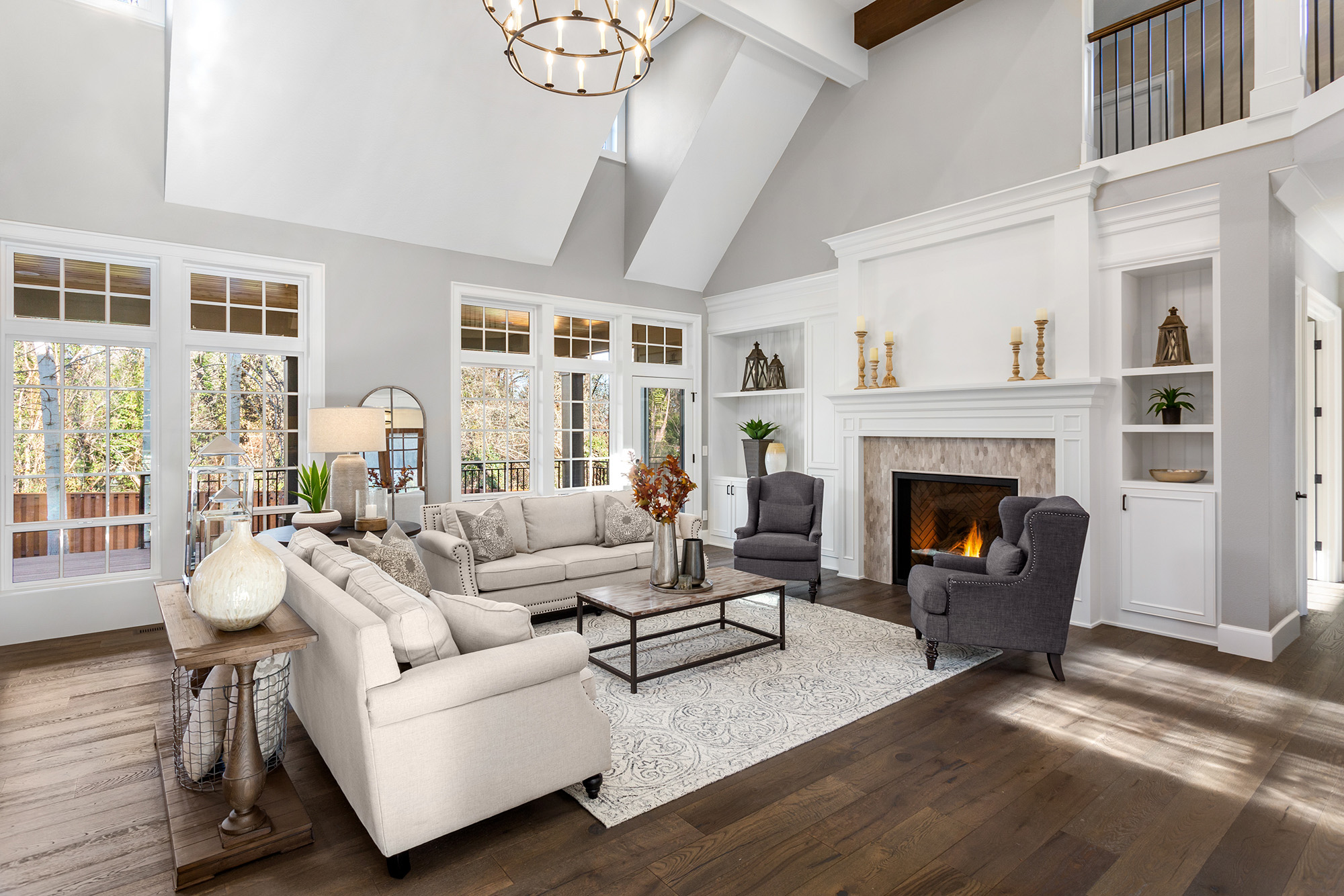
If you live in a Levittown ranch or an older split-level nearby, you’ve probably seen what summer humidity can do indoors. Doors stick a little, windows feel swollen, and wood underfoot starts reacting too. That doesn’t mean hardwood is a short-term floor here. It means longevity depends less on the calendar and more on the species, construction, and the way the floor is cared for over time.
Humidity doesn’t ruin wood overnight, but it does shorten its margin for error
Wood naturally takes in and releases moisture with the seasons. In a humid climate, planks expand; in drier winter air, they contract. That movement is normal, but repeated swings can lead to gaps, cupping, or finish stress if the material wasn’t the right fit in the first place.
That’s why it helps to understand the difference between solid and engineered hardwood options. Engineered construction is built in layers, which makes it more dimensionally stable than solid wood in homes where indoor moisture levels drift through the year. In many Long Island houses, that extra stability can add years to how well the floor looks and performs.
Species and finish both matter more than most homeowners expect
Some woods handle daily wear better than others. Oak remains popular for good reason: it balances character, repairability, and dependable performance in busy households, which is why many homeowners start by comparing oak hardwood styles. A floor that can be refreshed and lived on comfortably often ends up feeling like the smarter long-term investment.
Finish matters too. A durable topcoat protects against grit, pet traffic, and the fine scratches that build up slowly over time. If you want a broader sense of what affects lifespan beyond just color and plank width, our hardwood flooring guide breaks down the construction details that really influence durability.
Installation and indoor conditions usually decide how long the floor actually lasts
Even a well-made product can underperform if it’s installed over a damp subfloor or rushed into place without proper acclimation. Older homes often hide uneven substrates, patched additions, or slab-related moisture issues, and those conditions matter just as much as the wood itself. Good prep is what helps a floor stay flatter, quieter, and more predictable year after year, which is why professional flooring installation is such a big part of hardwood longevity.
Daily habits count too. Entry mats, felt pads, and consistent indoor humidity all reduce seasonal stress. In coastal areas like Oceanside, moisture in the air can linger longer than people expect, especially during stretches when the AC isn’t running much. The goal is not perfection. It’s keeping conditions steady enough that the floor doesn’t keep expanding and shrinking more than it has to.
Sometimes luxury vinyl is the better long-term answer
Hardwood can last for decades, and in the right setting it absolutely earns that reputation. Still, there are rooms where moisture risk is simply harder to control. Kitchens with frequent spills, lower levels with a high water table, and households that want wood visuals with less seasonal movement often do better with waterproof luxury vinyl.
That choice isn’t about settling. It’s about matching the material to real life. If you love the look of wood but want something more forgiving around humidity, our luxury vinyl selection can be the more practical path.
Hardwood floors can last a very long time in our climate, but they last longest when the product matches the house and the way you live. If you want help comparing wood and wood-look options for your rooms, you can start with a free flooring estimate.


