

If you have kids, a dog, and a steady trail of sandy shoes coming through the door in Levittown, your floors can start looking dull fast. Luxury vinyl plank is built for real life, but the wrong cleaner or too much water can still leave it streaky, slippery, or worn before its time. The good news is that keeping it looking sharp is usually more about good habits than heavy-duty products.
Start With Dry Soil Before It Turns Abrasive
Most of the wear we see on vinyl floors starts with grit. Sand, salt, and tiny bits of dirt act like sandpaper under sneakers and chair legs, especially near entryways and kitchen paths. That is why regular sweeping, dust mopping, or vacuuming with the beater bar turned off matters more than an occasional deep clean.
A microfiber dust mop is usually the safest first step because it lifts debris instead of pushing it around. If you want a closer look at how these floors are built and why surface grit matters, our luxury vinyl flooring guide breaks down the construction in plain language. Once loose dirt is gone, your damp cleaning step can actually clean instead of grinding residue into the finish.
Use a Damp Mop, Not a Wet Floor
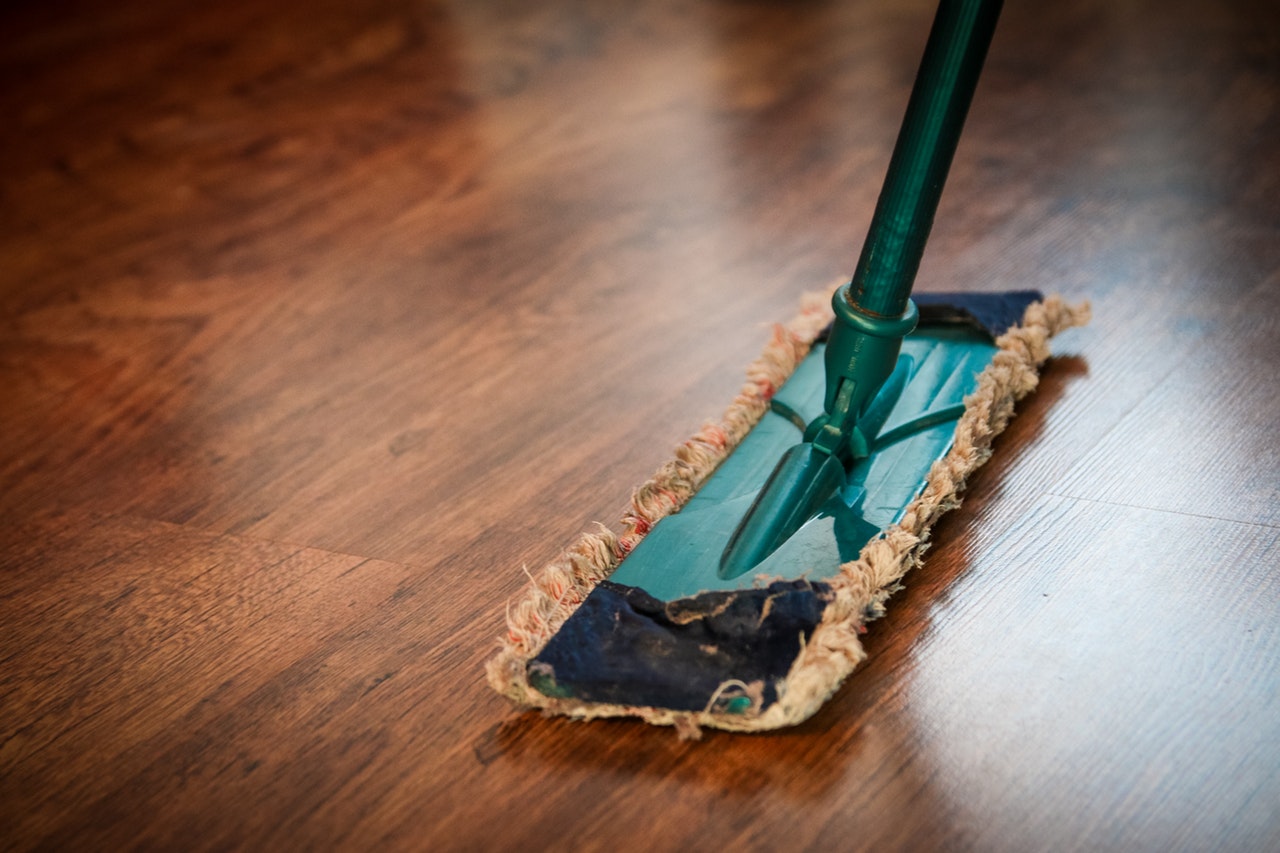
Luxury vinyl is moisture-friendly, but that does not mean you should flood it. Too much water can seep into seams, collect along baseboards, and leave a haze behind that makes the whole room look dingy. A lightly damp microfiber mop with warm water or a manufacturer-approved cleaner is usually enough for everyday messes.
Skip steam mops unless the product warranty clearly allows them. High heat can stress the wear layer and, over time, affect how the planks look at the edges. If you are comparing products for a busy household, it helps to browse waterproof luxury vinyl styles with cleaning and durability in mind, not just color.
Avoid the Cleaners That Cause the Most Trouble
The biggest mistakes are usually made with good intentions. Oil soaps, paste wax, abrasive powders, and homemade solutions with too much vinegar can all leave buildup or dull the surface. Even “all-purpose” products can be risky if they are designed for tile or hardwood instead of resilient flooring.
A simple rule helps: if a cleaner promises shine, be cautious. Luxury vinyl should not need polishing, and anything that leaves a coating often attracts more soil later. For most homes, a pH-neutral cleaner and a soft mop will do more good than a cabinet full of specialty bottles. If you are still deciding between materials, our full luxury vinyl plank selection makes it easier to compare options that are designed to stay low-maintenance.
Protect the Finish Between Cleanings
Cleaning works better when the floor is not taking a daily beating. Felt pads under chairs, mats at exterior doors, and quick wipe-ups after spills all reduce the kind of damage that no mop can fix. In Oceanside, tracked-in grit and damp shoes can be especially hard on busy entry areas, so prevention goes a long way.
It also helps to know what your installer recommends for your specific product. Different wear layers and core constructions can have slightly different care needs, and a well-done residential flooring installation sets the stage for easier maintenance later. Good cleaning starts with a floor that was properly prepped and fitted in the first place.
Luxury vinyl plank is one of the most forgiving floors for a busy Long Island household, but the best results come from gentle, consistent care. If you are planning a new floor and want help choosing something that will be easy to live with, you can request a free flooring estimate.


