

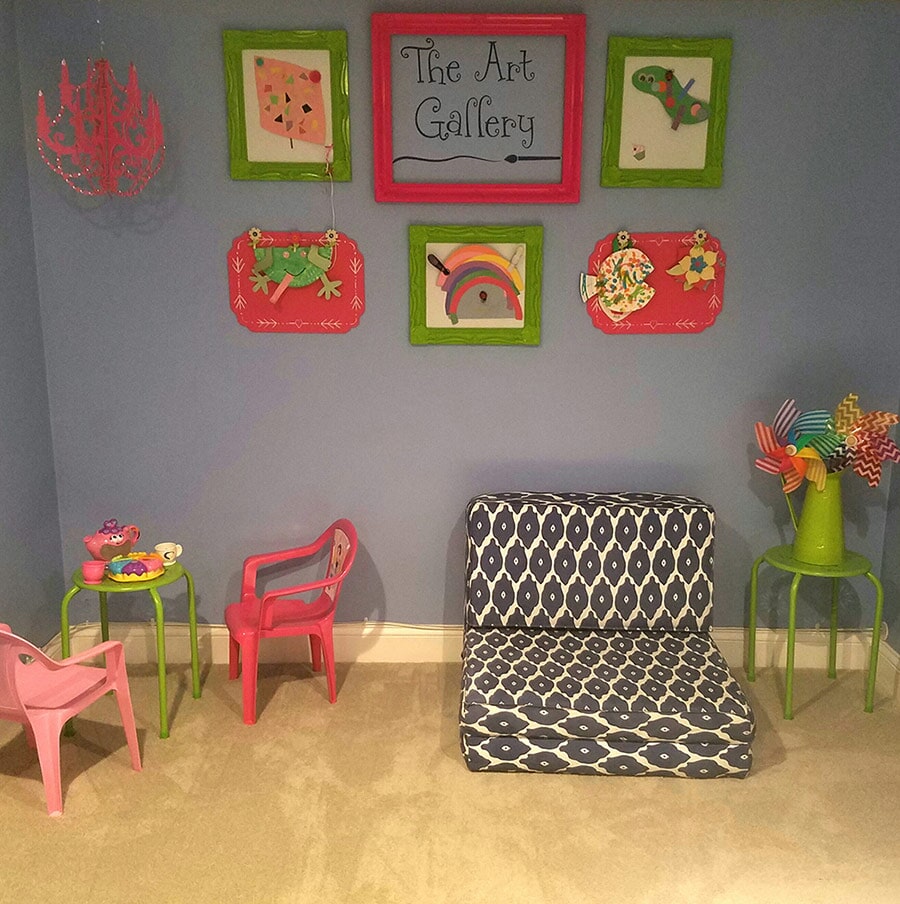
On a rainy Saturday in Lake Grove, the playroom becomes command central. Kids are building forts, dropping puzzle pieces, and racing from one corner to the next in socks. In that kind of room, the best carpet is not the fanciest one. It is the one that feels soft, cleans up without drama, and still looks good after real family life gets its turn.
Start with fiber that can handle rough treatment
A playroom takes a different kind of wear than a bedroom. You are dealing with crushed spots from toy bins, snack spills, and the fine grit that somehow gets tracked in even when everyone swears shoes stayed by the door. That is why we usually steer families toward nylon carpet fibers first. Nylon has the resilience to bounce back better from repeated foot traffic and playtime traffic than many softer-feeling alternatives.
That does not mean every playroom needs the same look. Some households want a dense, low-profile surface that keeps building blocks steady, while others prefer a more cushioned feel for sitting on the floor during games and story time. Browsing our carpet catalog helps you compare those constructions side by side instead of guessing from a tiny swatch.
Choose a texture that hides life between cleanings
Texture matters almost as much as fiber in a room used every day. In playrooms, a little visual movement is your friend because it helps disguise footprints, vacuum marks, and the random flattened path between the toy shelf and the TV. That is one reason many parents like frieze carpet styles. The twist in the yarn helps blur traffic patterns, so the room stays presentable even during a busy week.
For families who want a cleaner, more tailored look, looped constructions can also make sense. The tradeoff is that they feel firmer underfoot, which some parents like for crafts and games on the floor. The smartest choice depends on how the room is actually used for your household, not just what looks best in a staged photo.
Think beyond softness to safety and maintenance
A kid-friendly floor should feel comfortable, but comfort is only part of the equation. Cushion matters because it adds softness and helps absorb some impact from tumbles, yet too much plushness can make carts, bins, and child-sized tables feel wobbly. We often suggest balancing softness with a practical build, then reviewing the basics in our carpet buying guide so you understand how pile height, density, and padding work together.
Color deserves a little strategy too. Mid-tones, flecks, and subtle patterns tend to forgive more than very light solids. In homes around Levittown, where many playrooms are carved out of older family rooms or finished lower levels, that forgiveness goes a long way. A carpet that hides the occasional marker cap or cracker crumb will usually make you happier than one that demands constant policing.
Make sure the selection process fits family life
The hardest part of choosing for a playroom is often not the carpet itself. It is picturing the right color and texture under your own lighting, next to your wall paint, shelves, and all the bright toys already living there. That is exactly why families appreciate our Shop-at-Home consultation. Seeing larger samples in the room where they will actually be used makes the decision much clearer.
Once you have the right style picked out, proper installation is what keeps seams, transitions, and padding performing the way they should. Our residential flooring installation service helps make sure the finished room feels polished, durable, and ready for daily use.
A playroom carpet should make family life easier, not fussier. If you are ready to compare textures, colors, and durable options for your home, you can start by requesting a free flooring estimate.


